
Early Life | Tycho Brahe (1546-1601)
“URANIA hæc cernens terrestria coelitus antra,
Quæ nova sub terris techna paratur? ait.
Delapsa ingreditur: cæli quid Sidera celo,
Rursum ait, en tellus in mea Sacra volat?
Hic terræ in gremio quicquid seclusit Olympus
Panditur, has latebras Sidera nulla latent.
Quorsum opus immenso Cælos distare receßu,
Curve tot abstrusis Æthera volvo rotis?
Si penetrant humiles mea celsa Theatra cavernæ,
Ima etiam Tellus si dat in Astra viam.

Life Stories | John Wallis (1616-1703)
“Besides manual dexterity, feats of memory were regarded with great admiration at the time, especially when they were concerned with mental arithmetic. In 1671 John Wallis, then suffering from insomnia, had passed a night in extracting the square root of a fifty-two digit number, dictating the answer (a number of twenty-seven digits) to his clerk in the morning."
K. Theodore Hoppen, Common Scientist of the Seventeenth Century .

Life Stories | Walthère Spring (1848-1911)
““His main message was that science should be open to new facts, new hypotheses—especially in a young field such as organic chemistry,” says historian of science Brigitte Van Tiggelen. “A science where there is no contestation, no place for a plurality of hypotheses, is actually in danger of stagnation.”
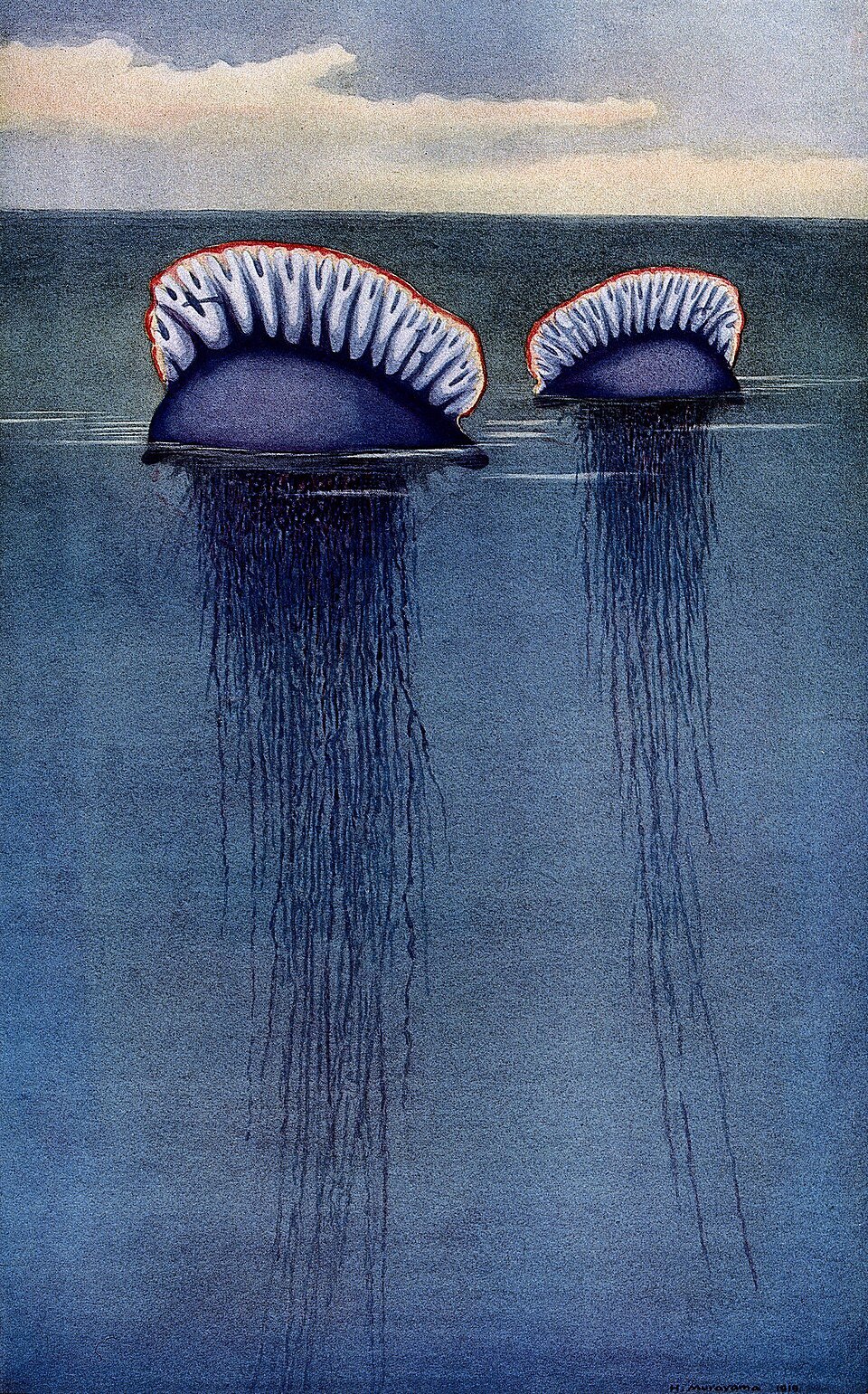
Hashime Murayama and the Art of Saving Lives | Science History Institute
“There’s an old adage that says life is short, art long. And in certain circles Murayama’s wildlife art remains celebrated to this day. But even though he took Papanicolaou’s assignment under duress, Murayama’s work on cervical cancer had the more lasting legacy—art that helped make millions of women’s lives longer.”
Image via Wikimedia Commons Creative Commons Attribution International License 4.0

Life Stories | Jeanne Villepreux-Power (1794-1871)
“Having for several years devoted to the natural sciences the hours that remained to me free from my domestic affairs, while I was classifying some marine objects for my study, the octopus of the Argonauta transfixed my attention above the rest, because naturalists have been of such various opinions about this mollusk.”
Jeanne Villepreux-Power